The Small Business Administration has until June 12 to rebuild its case against ATI Government Solutions after failing to submit adequate documentation.
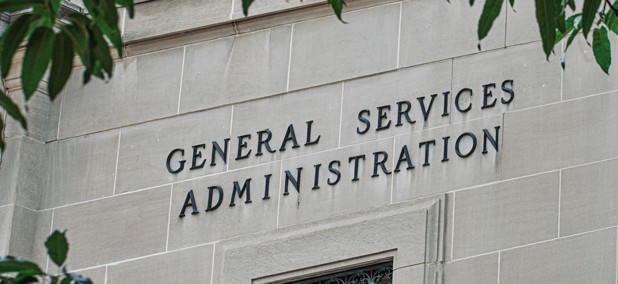
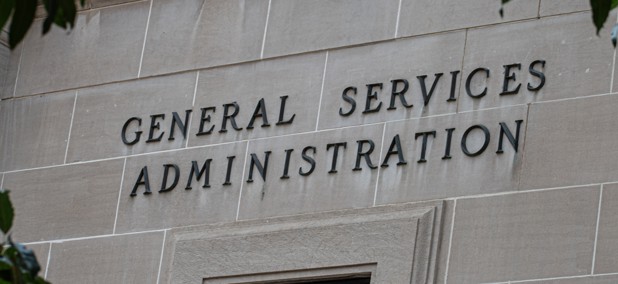
The General Services Administration has asked some companies to re-up their temporary price cuts while it continues to talk with them about becoming direct contractors on its Multiple Award Schedule.
Under the deal, federal agencies will potentially be eligible “for higher-tier discounts of up to 50% reduced consumption cost on compute, as overall usage increases.”
GAO denies challenge to CASTLE-NET award, leaving Accenture Federal Services in place to modernize the Corps of Engineers' IT, cybersecurity and information management services.
The service branch sketches out a rough timeline for the draft solicitation and indicates it is looking close at President Trump's fixed-price contracting executive order.
The company will continue working with the Defense Information Systems Agency to protect end users from malicious code or content while using the Internet.
John Plumb, a former assistant defense secretary for space policy, laid out some of those factors at a WT Power Breakfast and affordability is one of them for this missile defense system.