
SpaceX’s governance structure is built for one person: Elon Musk
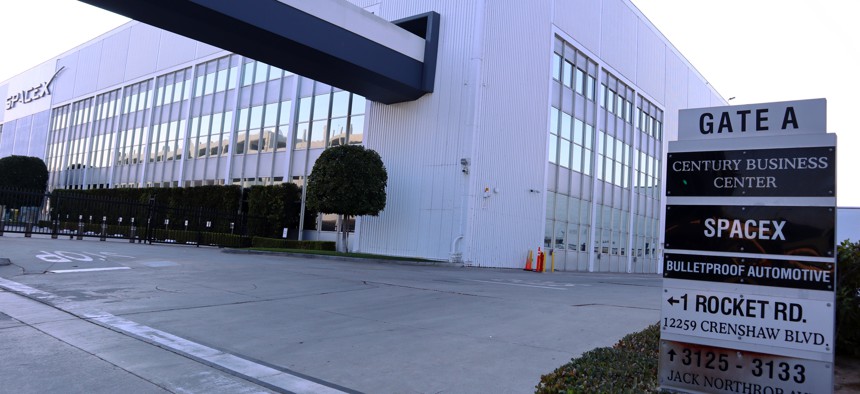
Gettyimages.com/Walter Cicchetti

 By
Nick Wakeman
By
Nick Wakeman
ANALYSIS: The S-1 filing reveals a company where accountability flows up, not down.
Elon Musk has a well-earned reputation for doing things his way, and the S-1 filing for taking SpaceX public reinforces that reputation.
Unlike other large publicly traded companies, SpaceX eschews many of the safeguards used to hold corporations and their management accountable.
First, there is dual classes of stock. Musk holds a 12.3% stake in Class A common shares, which give him one vote per share. At the same time, he also owns 93.6% of the Class B shares. Each Class B share gets 10 votes.
When those shares are combined he holds 85.1% of the voting power of the company.
A dual class of stock isn’t unheard of, but SpaceX also will not put in place many of the safeguards commonly used by public companies. For example, the majority of the board of directors will not be independent directors.
The board also will not have an independent nominating and compensation committee.
The company claims it is exempt from these NASDAQ requirements because it is considered a “controlled company,” due to the high percentage of ownership held by Musk. For example, a shareholder must hold 3% of the voting shares for six months and have the support of 67% of the voting shares just to get a proposal on the ballot. Given Musk controls 85% of the voting power, no proposal can get on the ballot without his support.
Removing Musk as CEO and chairman is impossible because it requires a majority of Class B shares to vote in favor of it. Because he holds 93.6% of Class B shares, Musk himself is the only one who can grant that majority.
The S-1 contains a "Corporate Opportunities" provision that effectively gives Musk a free pass to pursue business opportunities at his other companies — Tesla, the Boring Company and Neuralink — even if SpaceX might otherwise have an interest in them. Board members face no legal liability for steering opportunities away from SpaceX.
The structure of SpaceX is built to allow Musk to have total control and veto power at the company. The safeguards are in place to protect Musk, not common shareholders.
Investors in the IPO will own a piece of the company but virtually no ability to influence how it runs, which raises the question of where accountability will come from.